Operated excavation for drainage trenches
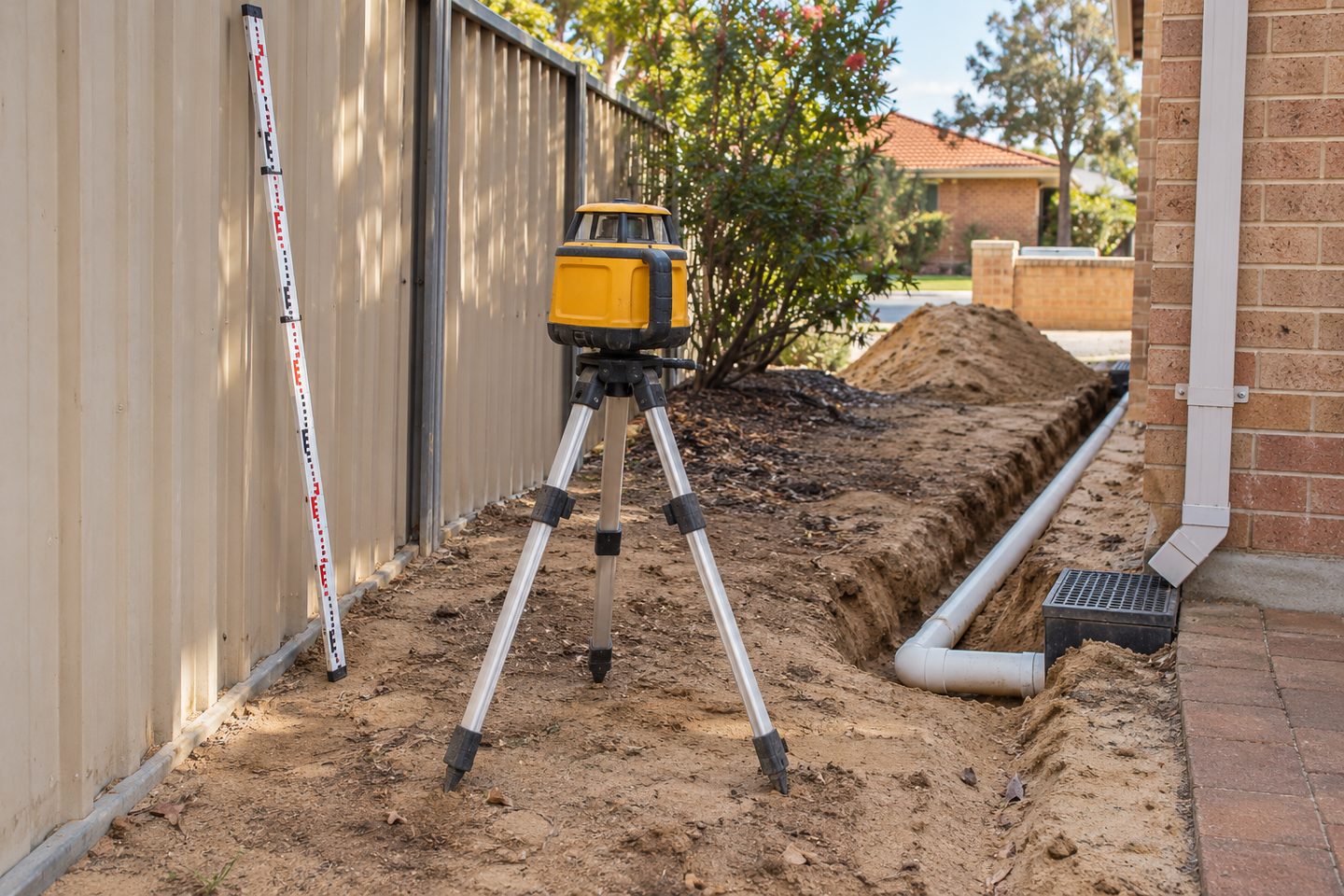
Perth, Western AustraliaFor operated excavation for drainage trenches, show pipe crossings, services and the working corridor. For a drain trench, the route matters to the operator before the machine size is settled.
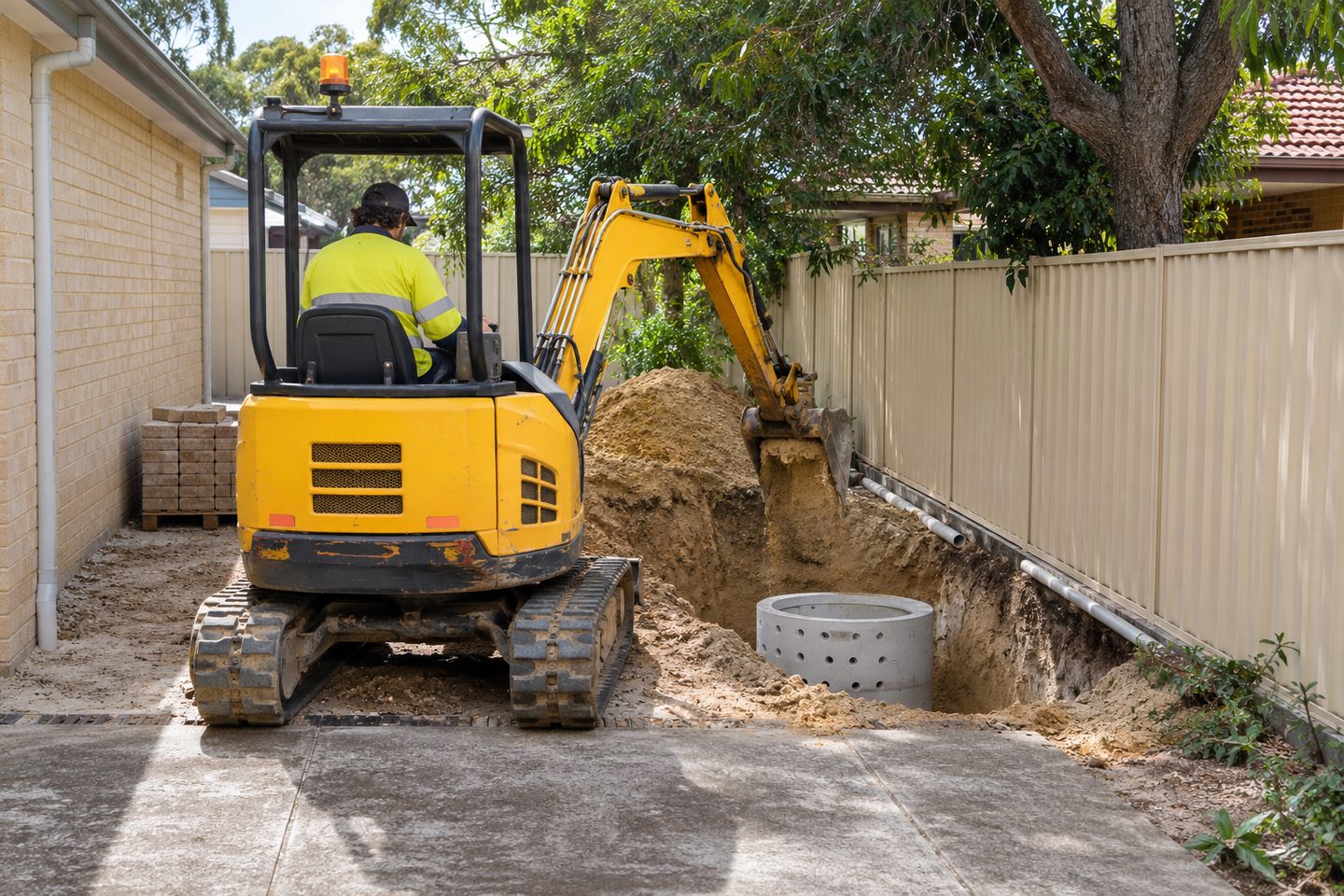
Retaining wall: show the work zone and access
Include the available road position, obstacles at the gate and areas to be protected. Explain whether a retaining wall, lower level or overhead restriction affects reach or clearance.
Mark the length and location, where pipes or other services cross it, and what surfaces the site must keep open. Include how excavated material gets away from the work area.
What to check at the property
Clarify the scope limits
Ask who arranges service locating, supplies protection and makes good after trenching. Record which materials are stockpiled or removed instead of assuming cartage is part of operating time.
Related soakwell and drainage guides
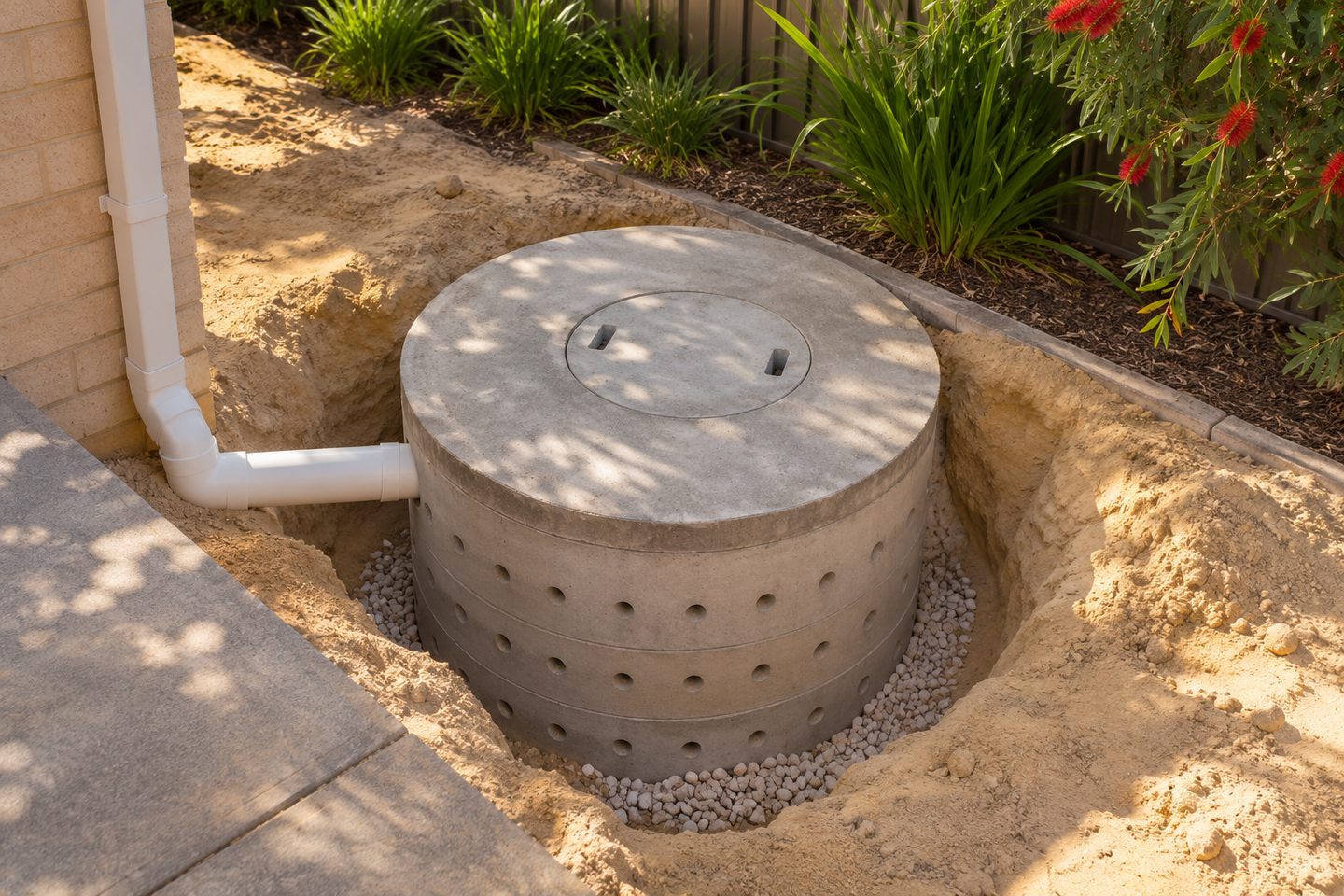
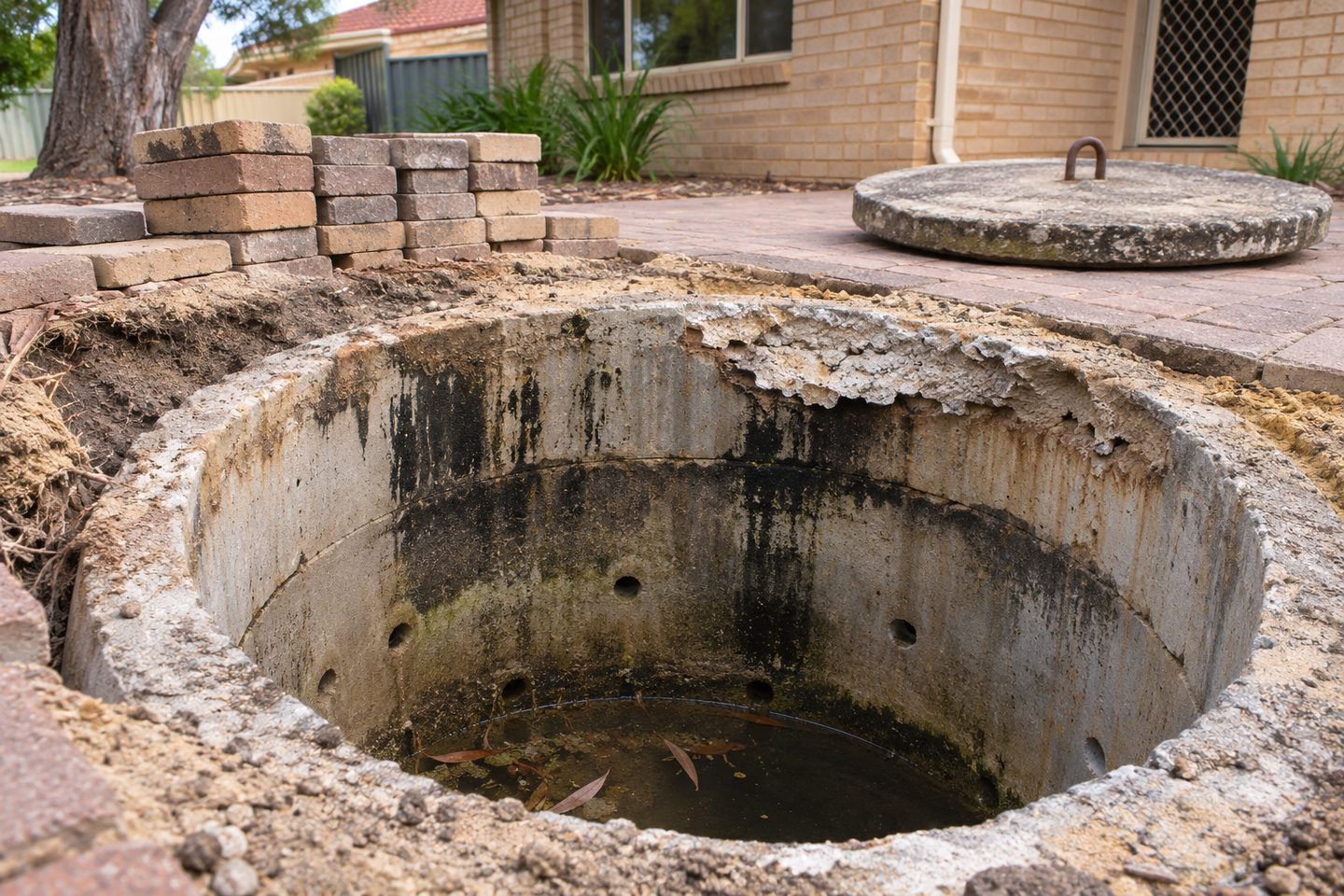
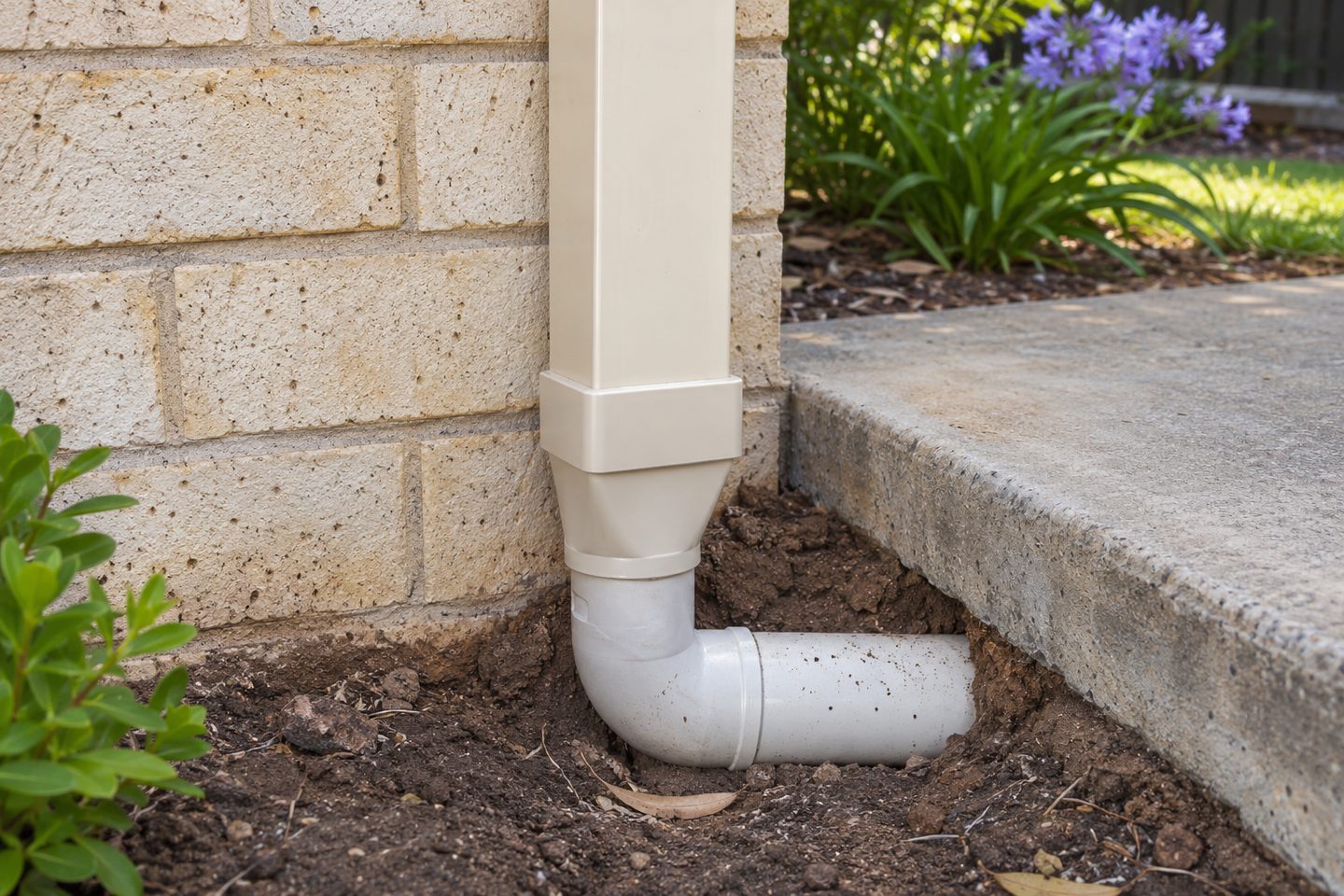
Drainage provider: plan for a route change
Identify who can approve a different route if ground or existing installations prevent the marked line. Keep the drainage provider and operator on the same drawing.
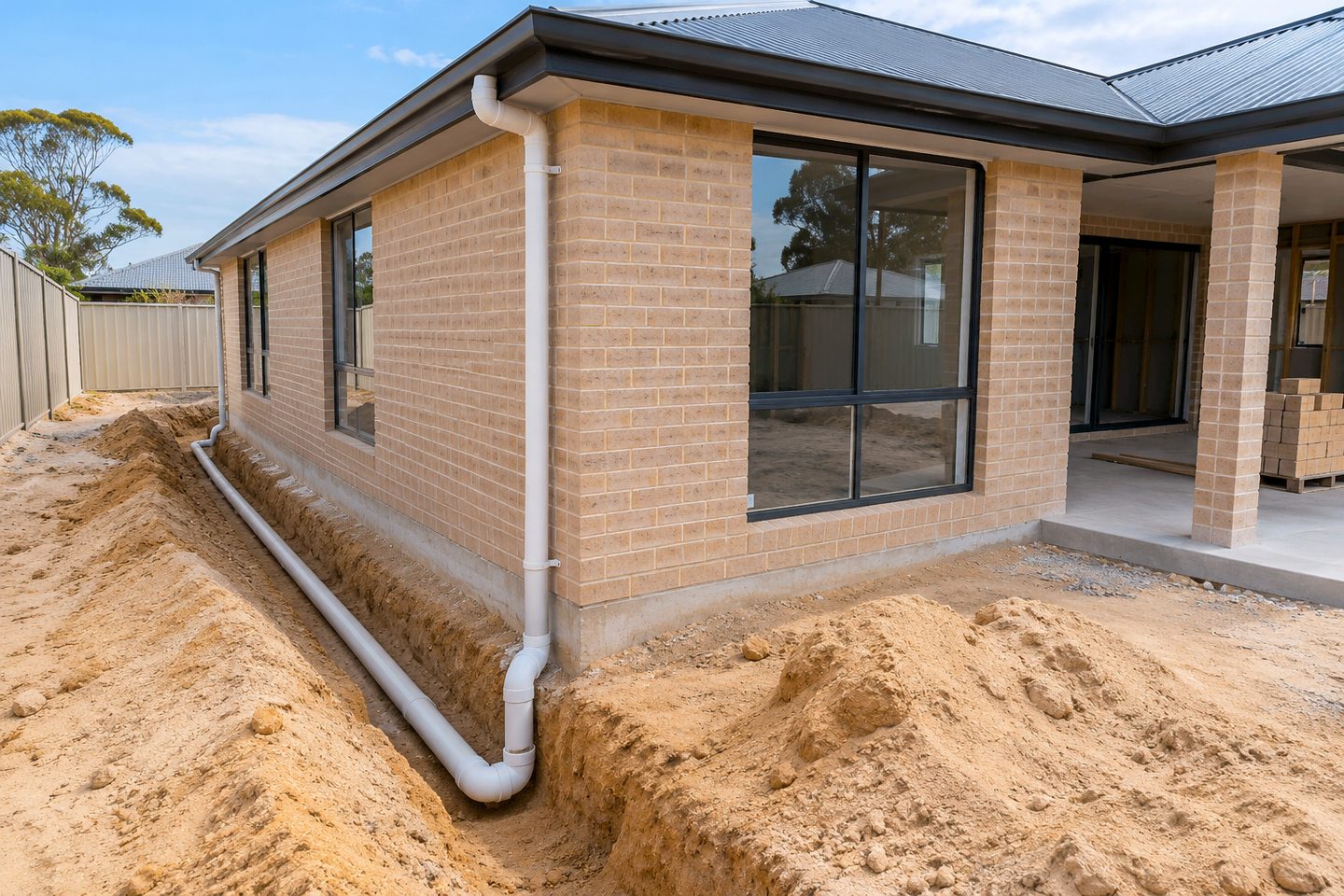
Operated excavation for drainage trenches: practical checks
Service crossings: how do you prepare a trench route across a live site?
Mark where people or vehicles still need to pass, the confirmed service crossings and where spoil will be kept. Name the person who can approve a route change. Give the operator and drainage provider the same drawing so a trench is not opened where another trade expects access.
Get the details together
Use the enquiry form to see which details help describe the site and the work.
Frequently asked questions
Do I have to specify a 1.5 tonne machine?
Give the operator the job, ground information and access measurements. They can assess a suitable machine and method from the work required.
What if the planned drainage trench crosses another buried service?
Have the relevant services located and ask the responsible provider to check the crossing before trenching. Put the confirmed crossing and any revised route on the work drawing. The operator should know who can approve changes and when the work must pause.
Which levels should the operator have before a drainage trench is opened?
Give the operator the approved trench route, known service crossings and the levels the drainage provider will check. Mark the receiving point and any retaining edge or paved surface near the works. Agree who can decide on a revised route if the indicated levels do not match the site.
What does a drainage excavation brief say about spoil and reinstatement?
A drainage excavation brief should identify where material can be placed, how it leaves the site and who reinstates disturbed surfaces. Mark access for both excavation and material removal. Keep the operator's responsibilities separate from checking the pipework and completing the finished surface.
How can drainage trenches be planned around a retaining wall?
Show the proposed trench, retaining wall and adjacent levels on the same drawing before arranging excavation. Mark any services or drainage already known near the wall. Ask the responsible provider to confirm working limits and who checks a route change before the operator extends the trench.