Backyard runoff mapping in Perth
Perth, Western AustraliaFor backyard runoff mapping in Perth, trace roof water, sheet flow and water from higher ground.
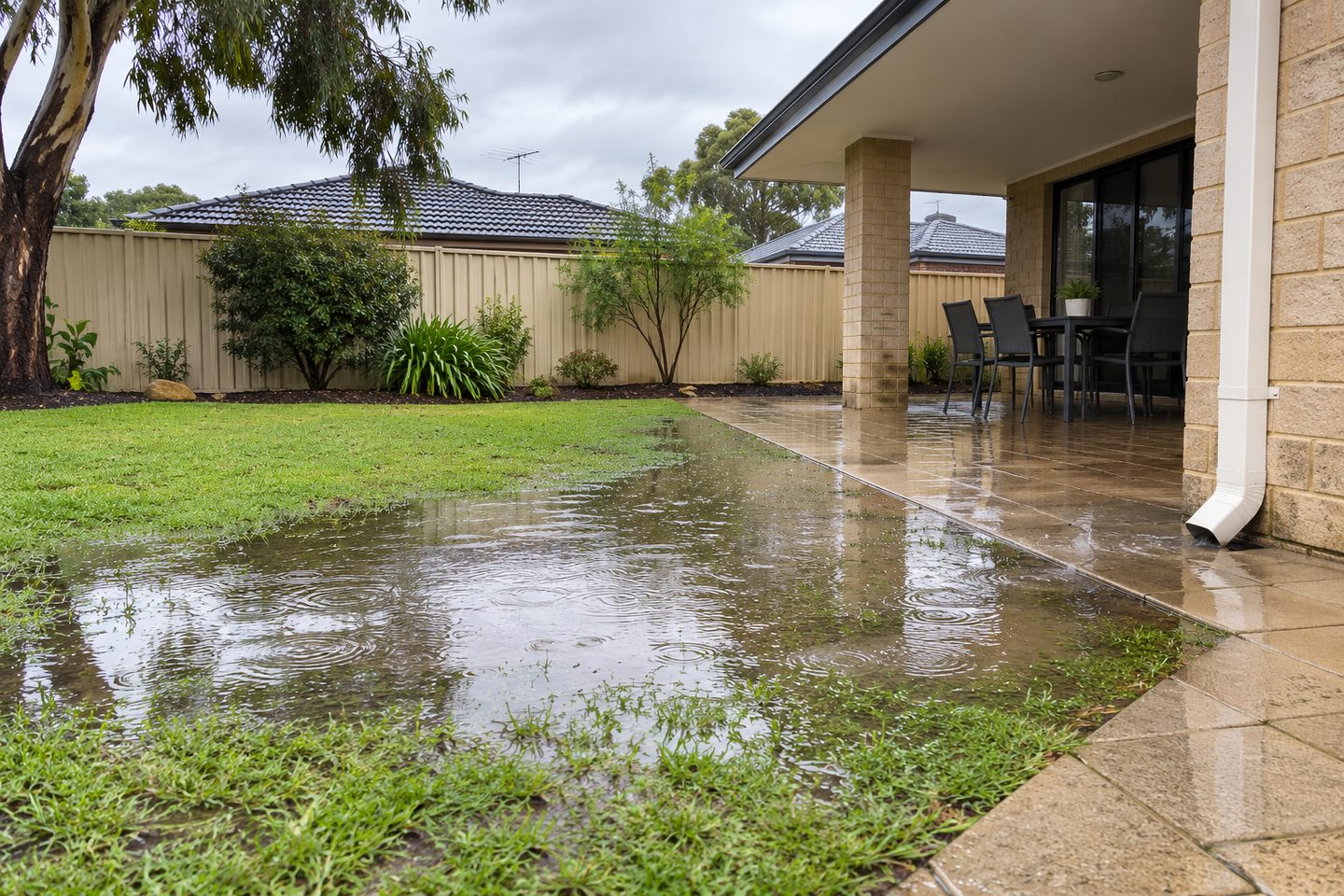
Roof runoff: separate paths on the drawing
Use different marks for roof runoff, flow over paving and water entering from a higher area. Note locations where flows join or cross a threshold.
During a storm, use a safe view to record whether water is coming down from another level, pooling where the surface falls away or backing up from a collector. Those situations can look alike after the water settles, but they do not have the same solution.
What to check at the property
Downstream route: compare collection and destination
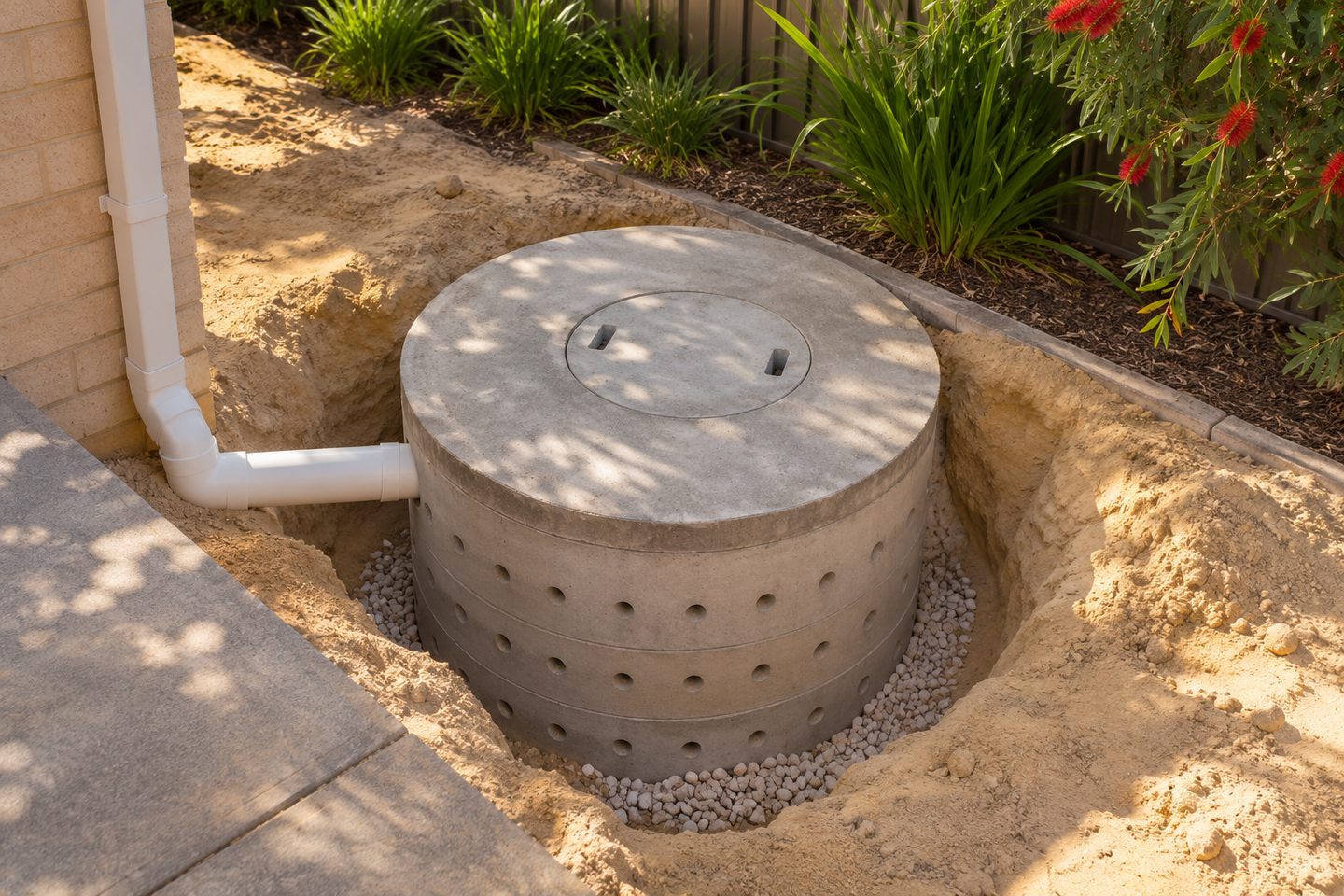
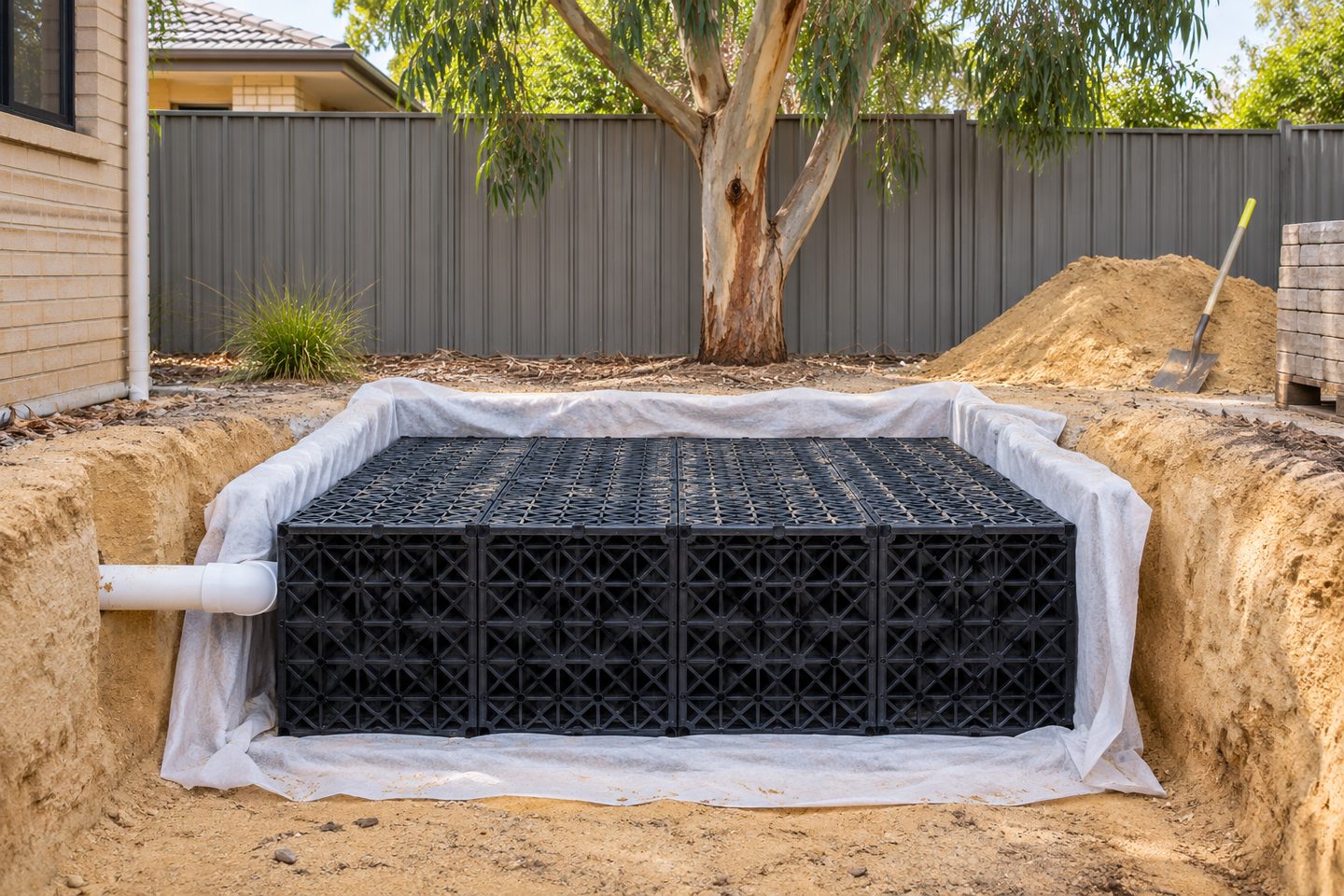
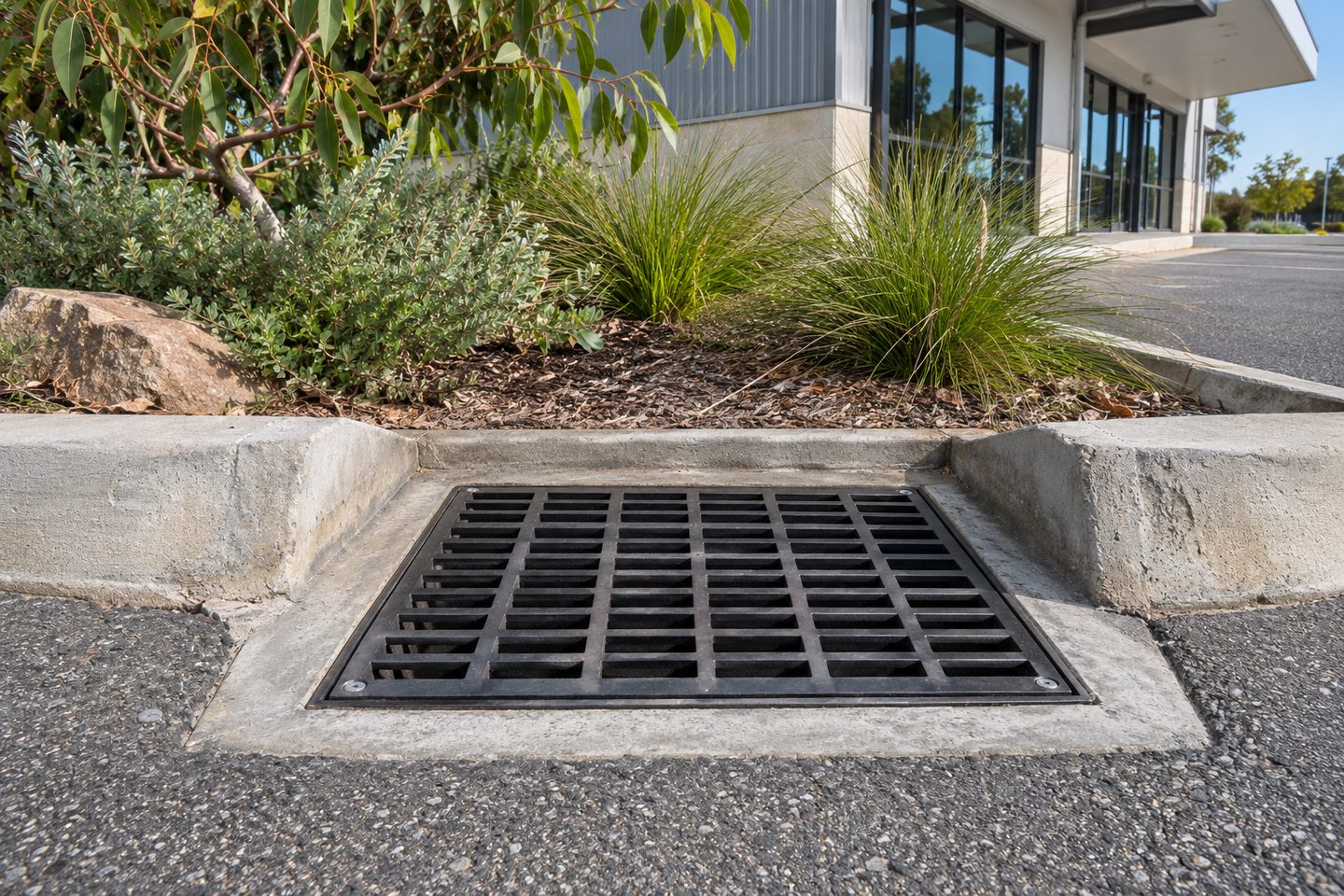
Ask where a proposed inlet would intercept the flow and how the downstream route would perform. Simply moving the puddle away from one corner is not enough if the new route creates another problem.
Related soakwell and drainage guides
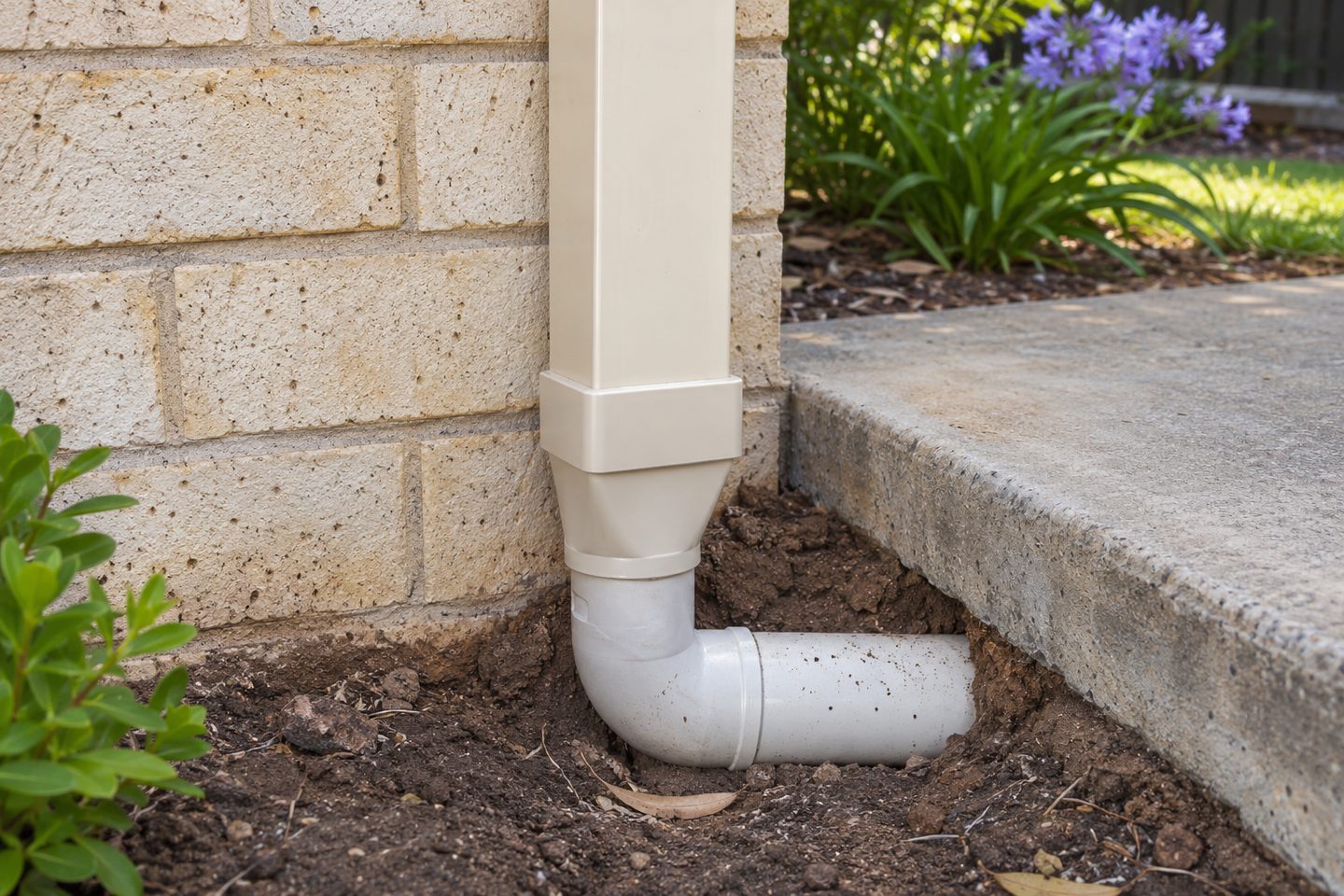
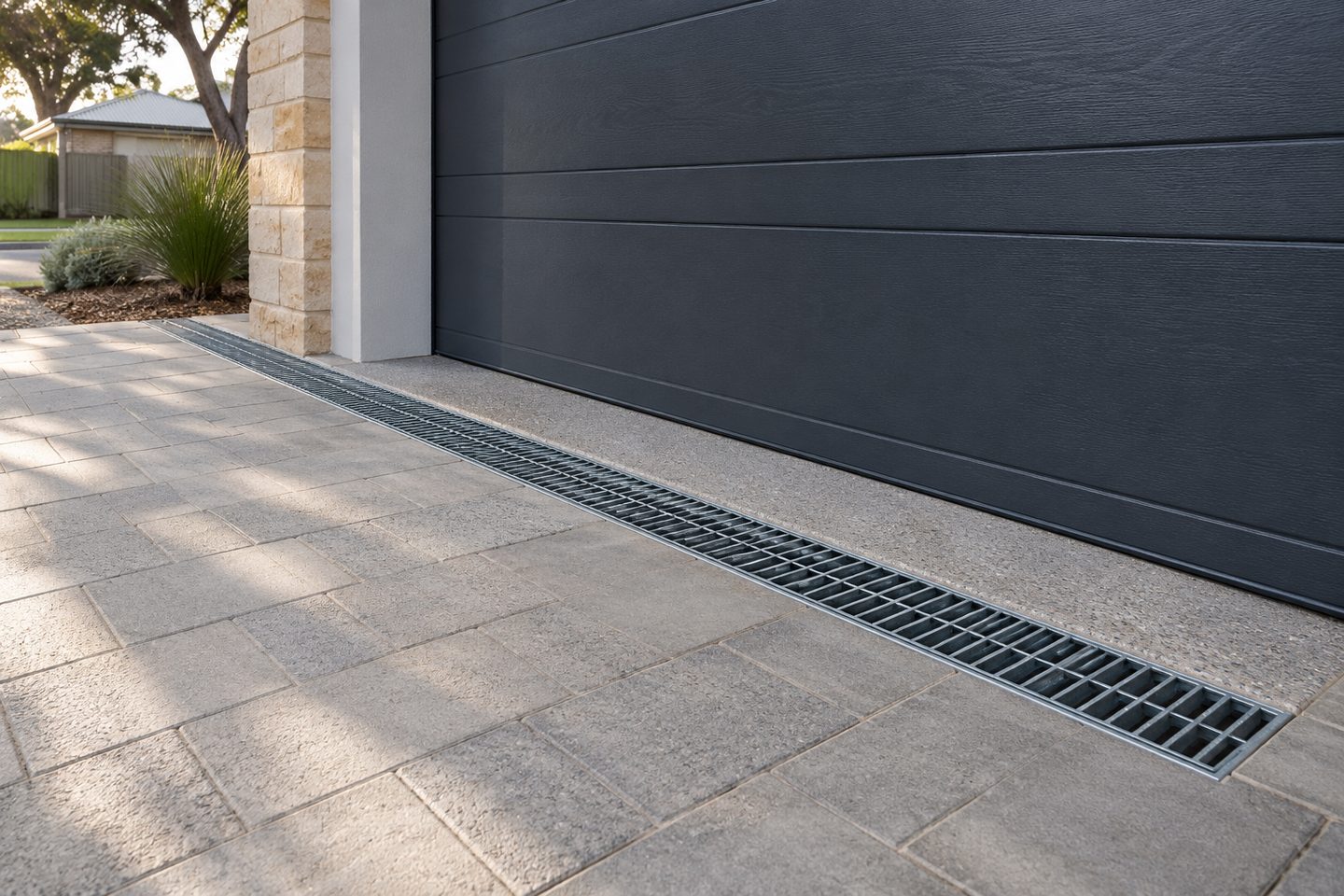
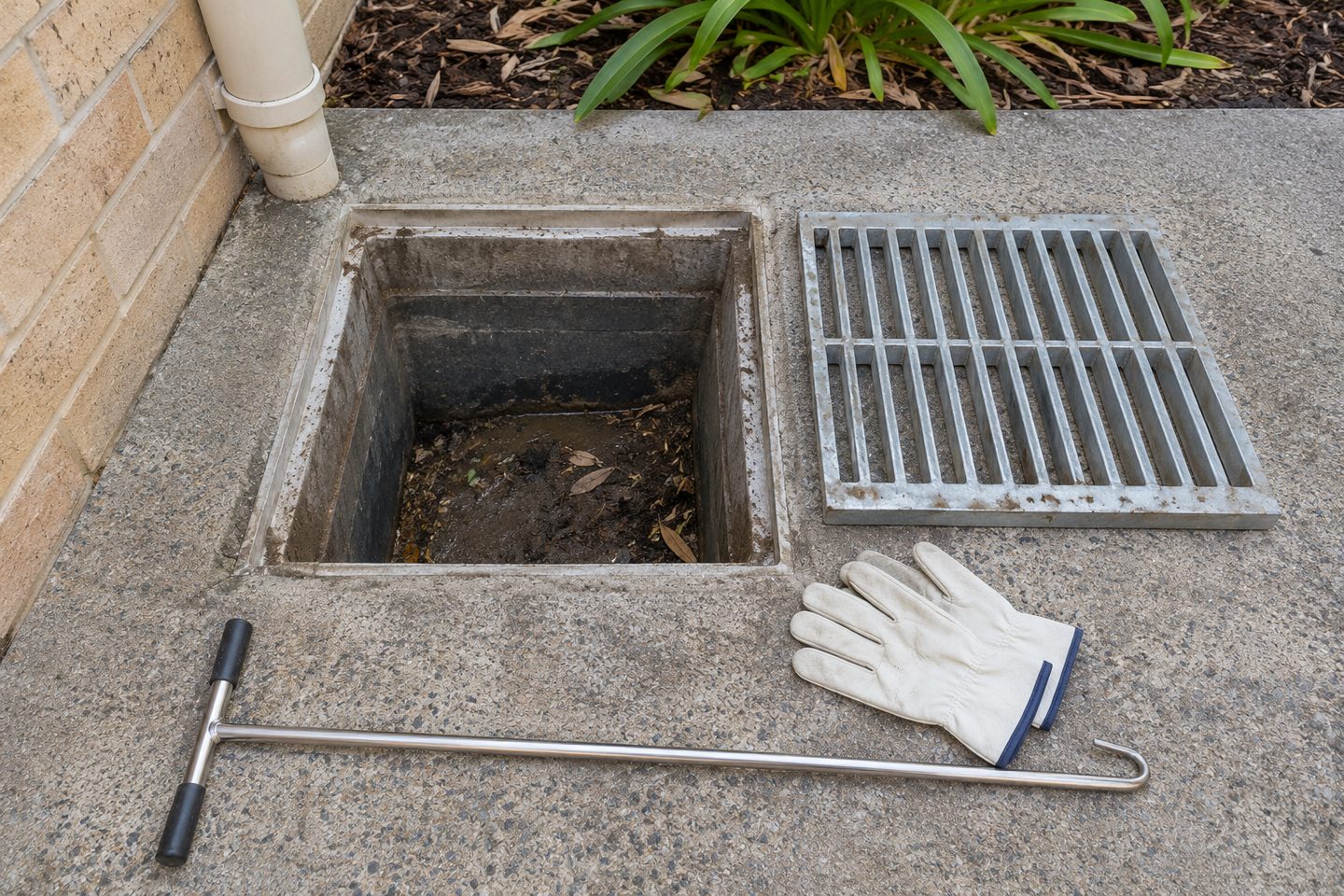
Watch what persists after rain
A long-lasting wet area may need a different kind of investigation from fast runoff during a storm. Include before and after photographs when talking to a provider.
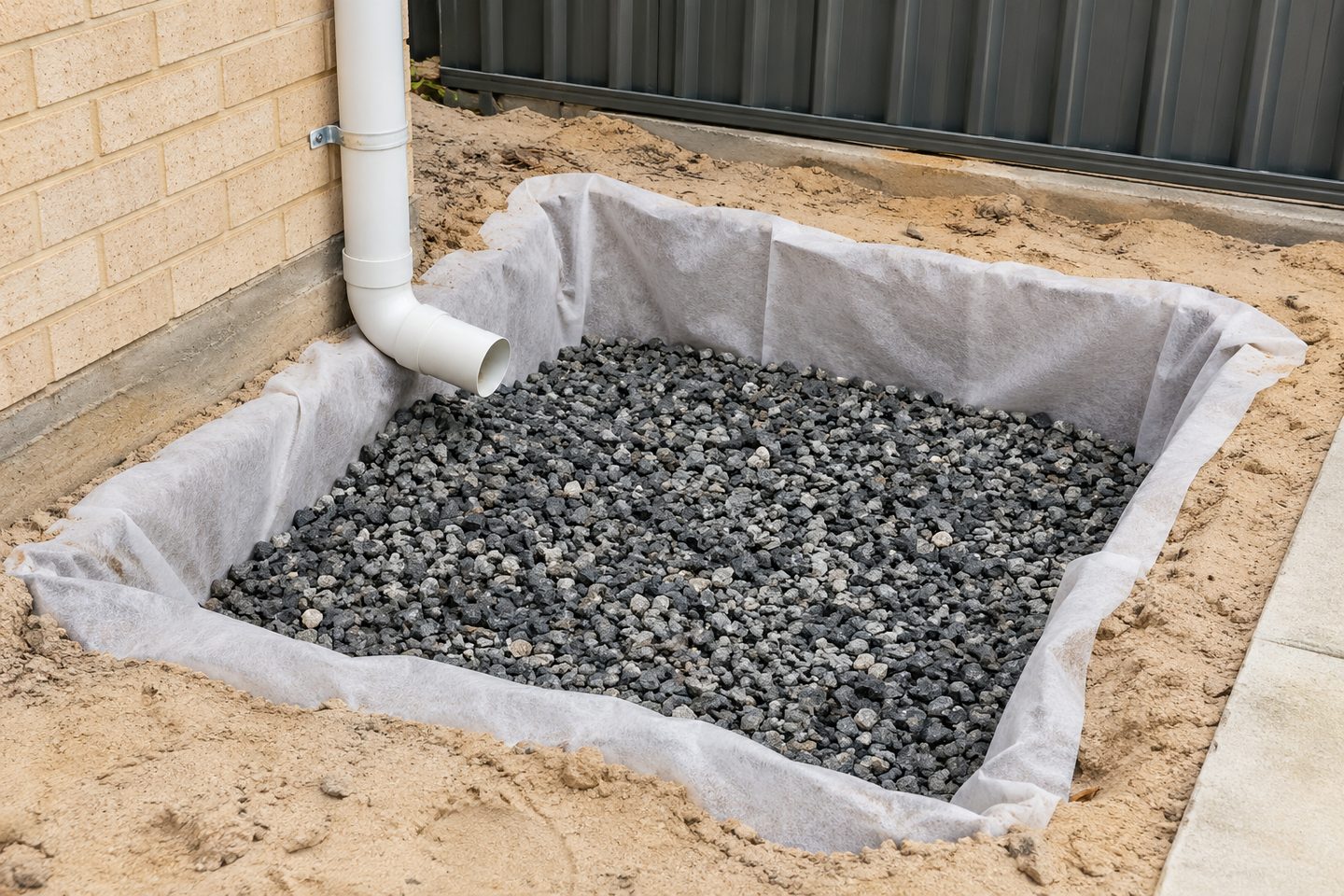
Backyard runoff mapping in Perth: practical checks
Surface runoff: why make a separate sketch of the surface flow?
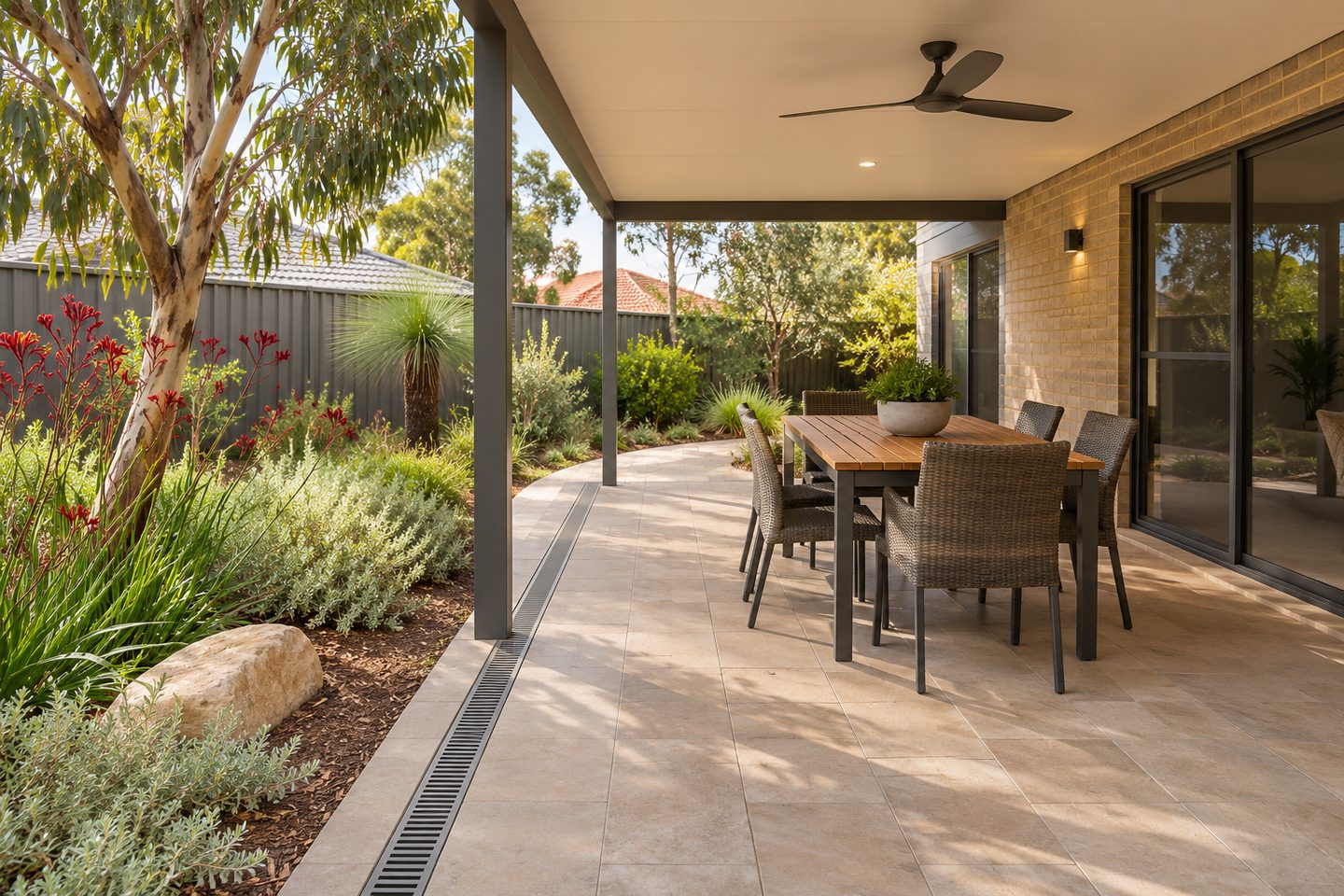
Surface runoff can cross a paved area without following a nearby pipe. Use arrows to show low levels, walls and doors that change its path. Compare that sketch with the buried drainage plan so the proposed collector actually intercepts the water.
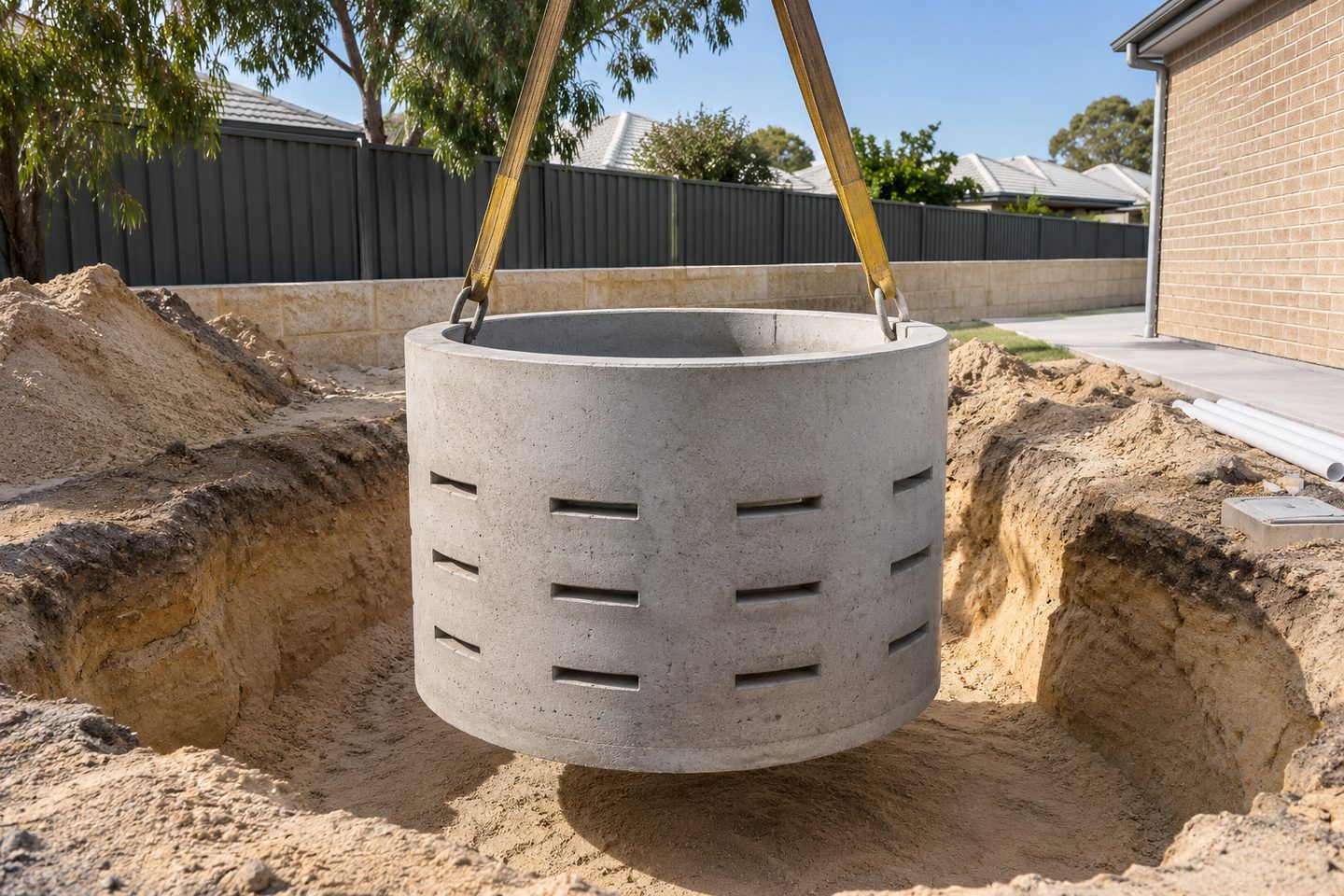
Get the details together
Use the enquiry form to see which details help describe the site and the work.
Frequently asked questions
Is infiltration always the right destination?
It depends on the ground and applicable conditions. A designer should assess whether those conditions support the proposed approach.
What should I record if water arrives from uphill?
Mark where it crosses into the affected area and separate it from roof or paving runoff on the site sketch.
Can a backyard have separate drainage issues in the same storm?
Yes. Roof runoff can back up at one point while an unrelated low spot collects sheet flow elsewhere. Mark both routes and the timing of each symptom. Ask the designer which collector, storage or outlet is meant to serve each area before commissioning work.
What should I draw for roof runoff and water crossing the yard?
Draw roof runoff from each downpipe and add separate arrows for water moving over paving or garden surfaces. Mark the first pit or low point for each route and where the paths meet. Note whether any downstream destination needs checking before a drainage option is chosen.
How can I show a yard puddle that stays after the rain stops?
Mark where the yard puddle first appears and note how long it remains after other runoff clears. Add a photo from a fixed viewpoint on the property. Give the provider the surface and roof drainage layout so it can compare persistent dampness with the routes used during rain.