Stormwater diversion after soakwell removal
Perth, Western AustraliaFor stormwater diversion after soakwell removal, keep each active catchment connected to a confirmed destination. Before removing a soakwell, establish what the system will do in the next storm.
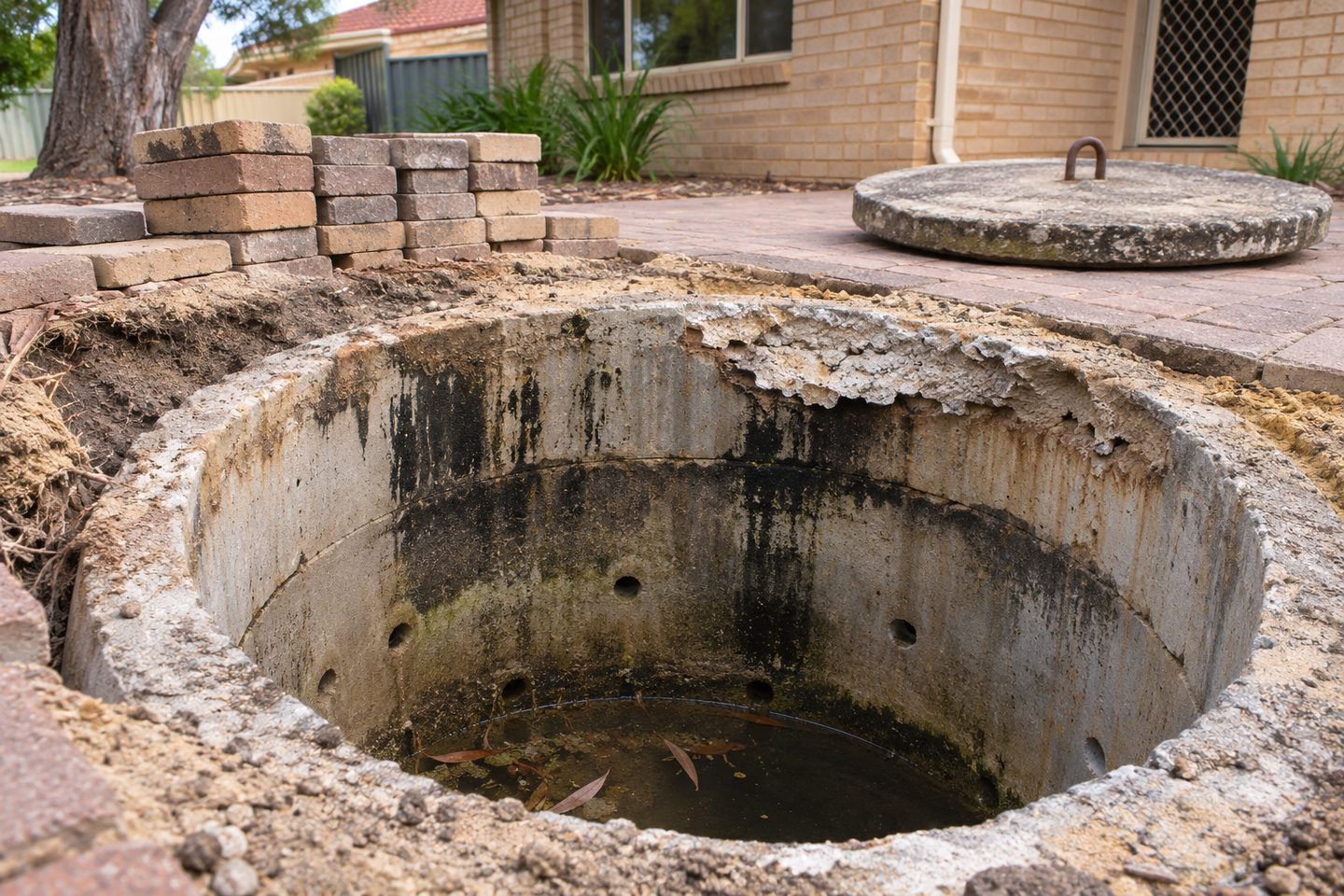
List all active and inactive flows
Use plans where available and have unknown lines checked. Label the branches that must keep working and agree what happens to an abandoned line.
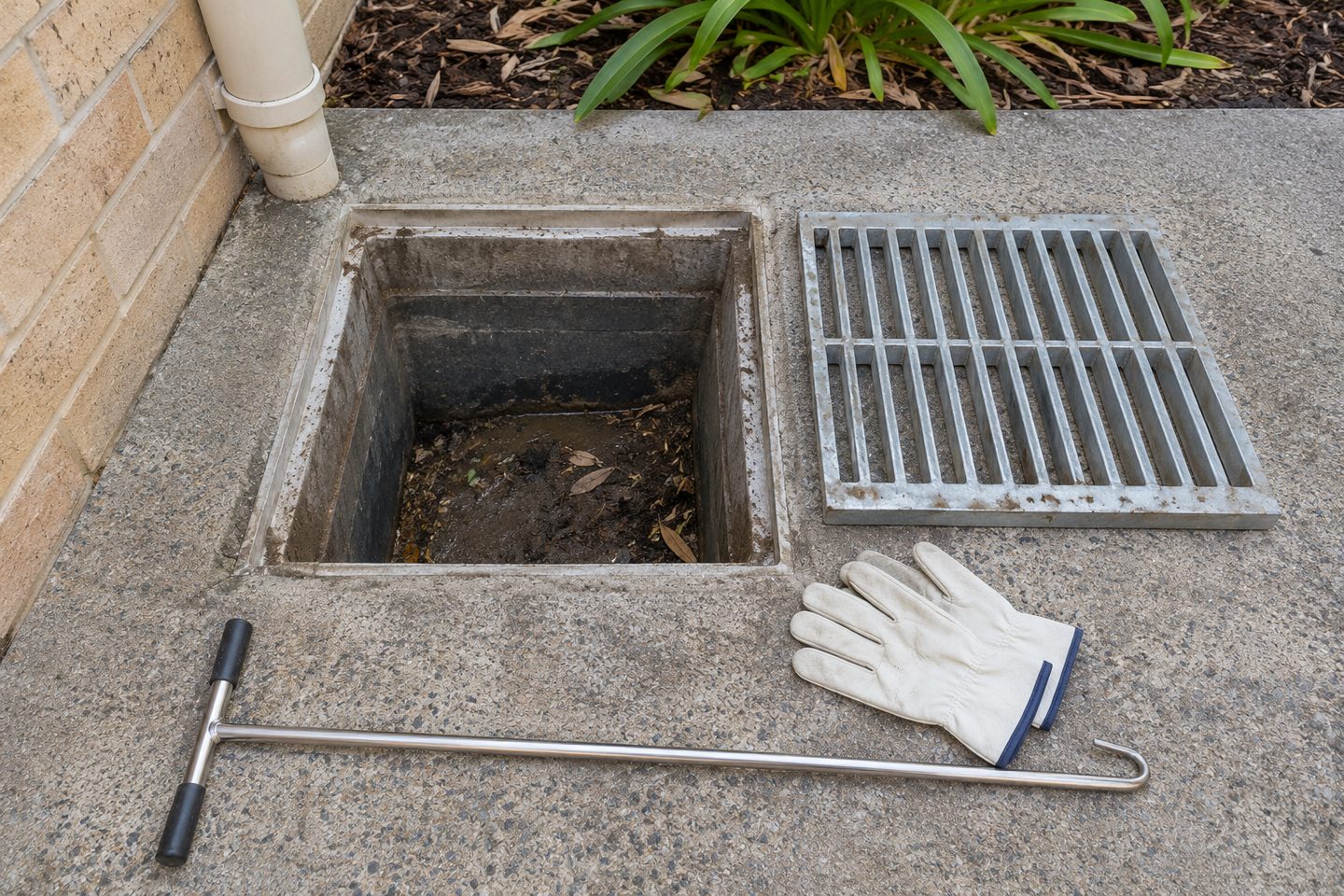
A chamber may serve several branches, including a roof or driveway that is untouched by the project. Removal needs a working destination for the connected catchment.
What to check at the property
Compare proposed discharge options
Ask which site and authority conditions apply to the new route. Avoid leaving water to find its own path while the new work is unfinished.
Draw temporary drainage for the works period
Temporary drainage needs an agreed destination while the old tank is out of use. Include the period before the next provider can connect the revised route. Map which roof or paving catchments still feed the work area during a rain event.
List active branches before removal
Identify active branches using the available drawings and checks at the site. Mark any pipe whose destination is unknown. Once a revised route is agreed, put the final destination for each active branch on the handover plan.
Related soakwell and drainage guides
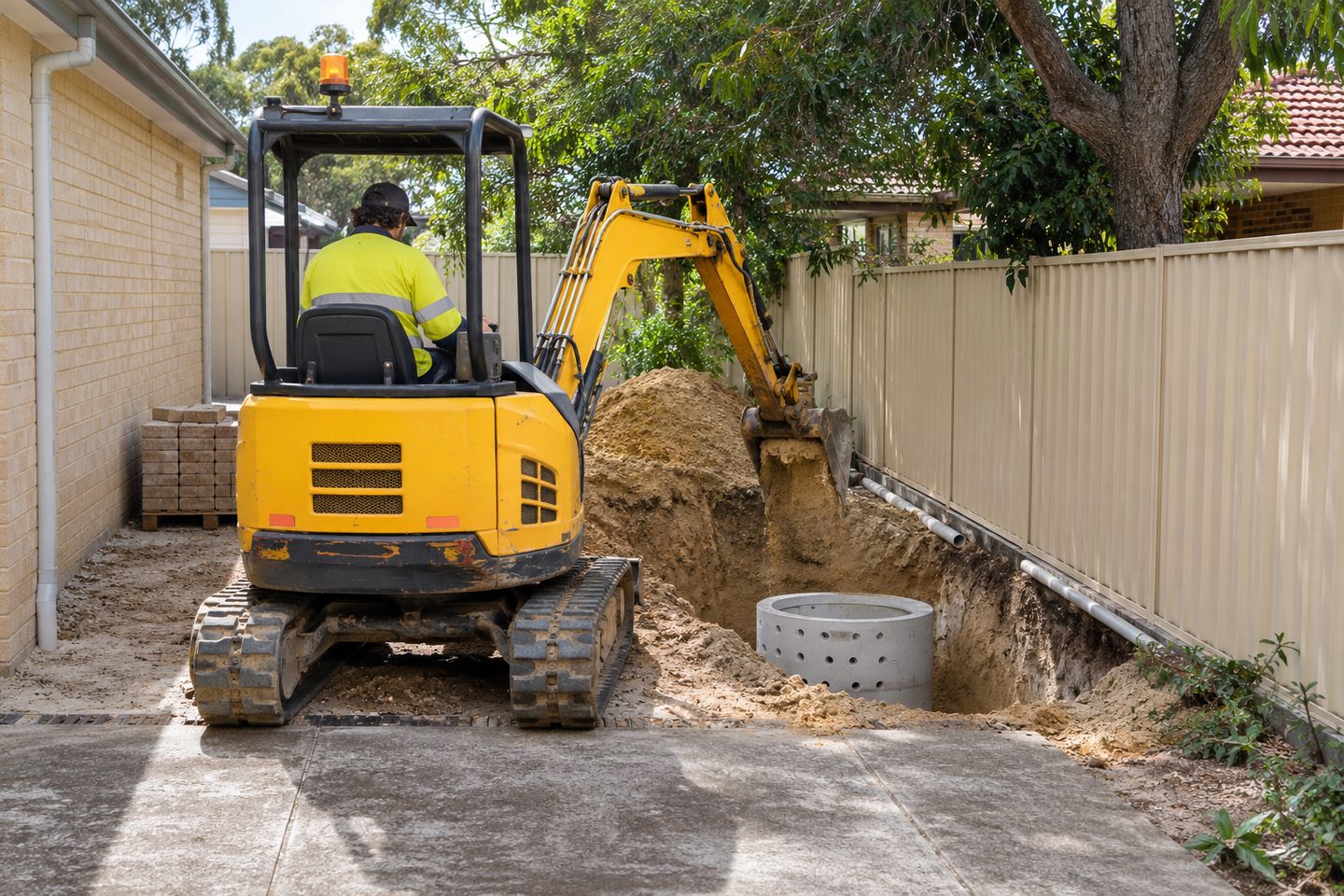
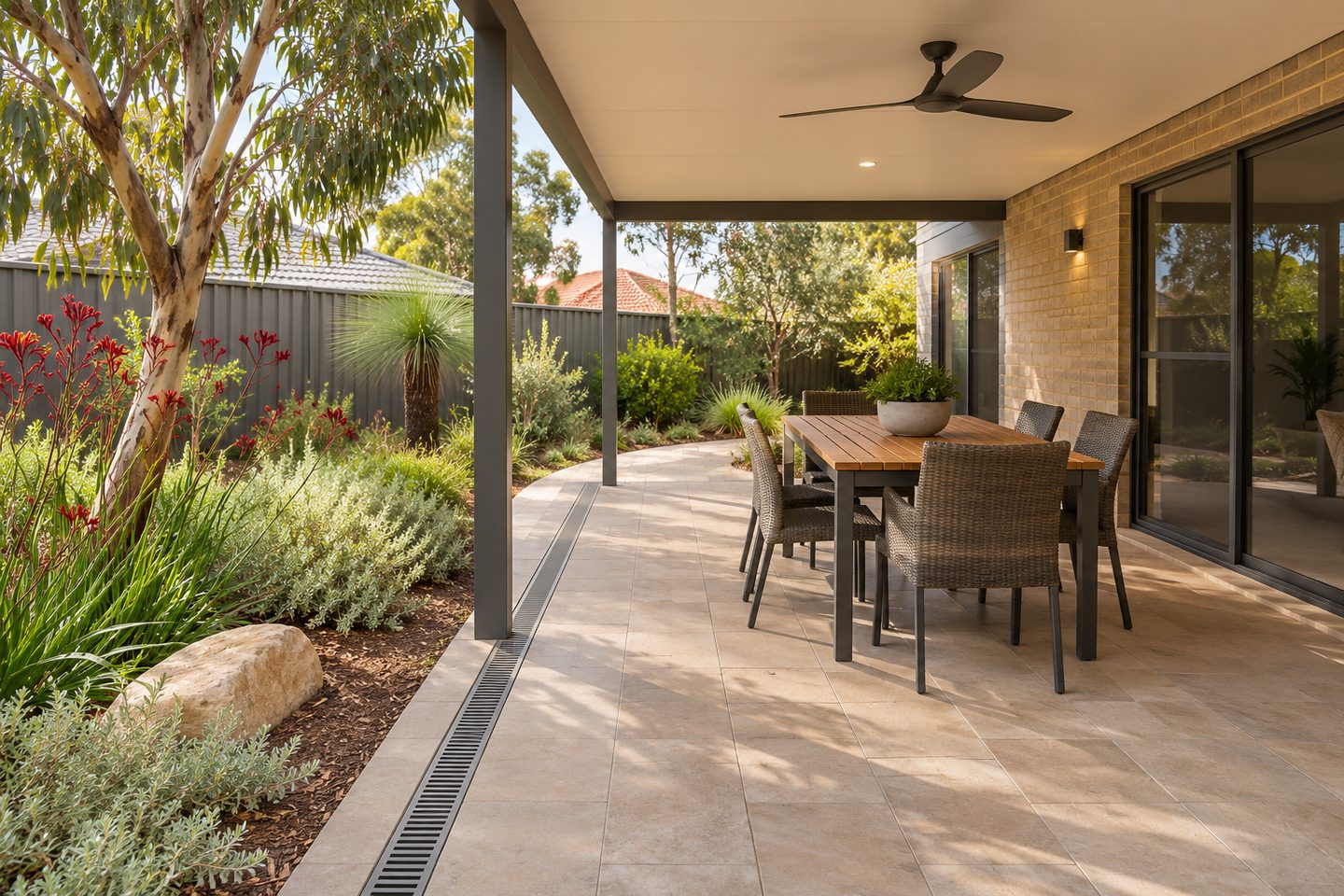
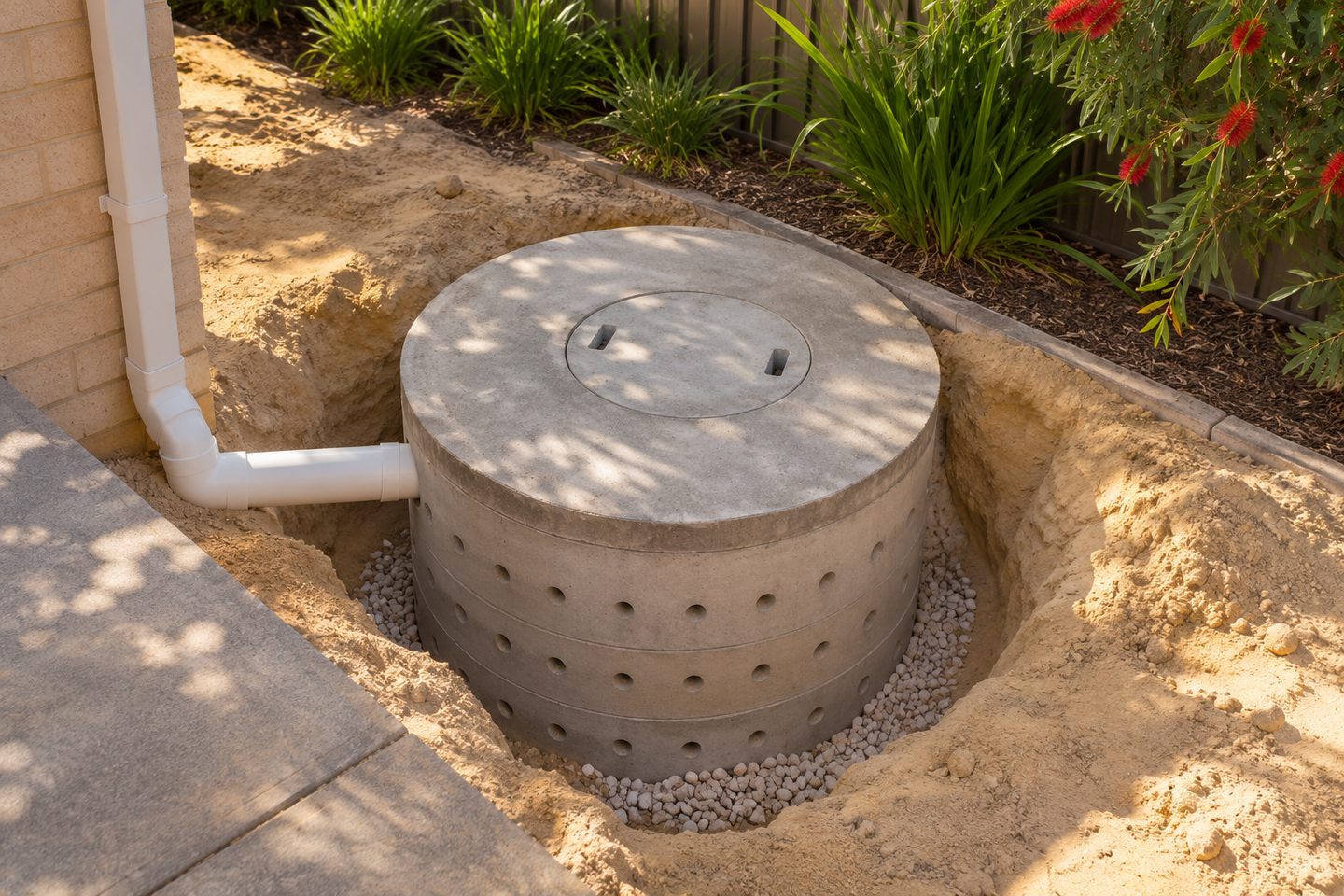
Update the property record
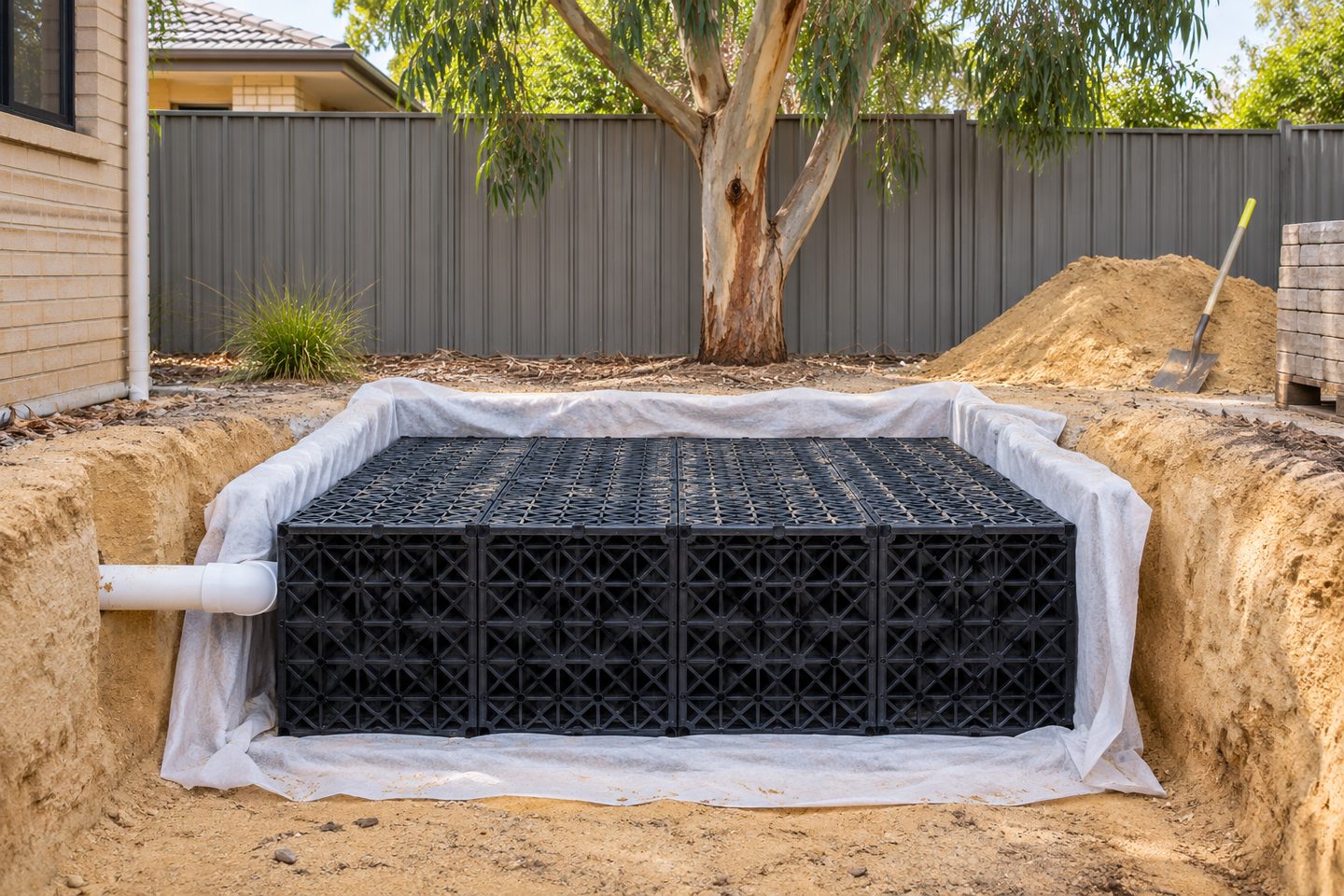
Keep the former and revised positions on a simple drawing. Include access and overflow so future owners know why the change was made.
Stormwater diversion after soakwell removal: practical checks
Existing outlet: how can runoff from an untouched roof still affect a diversion scope?
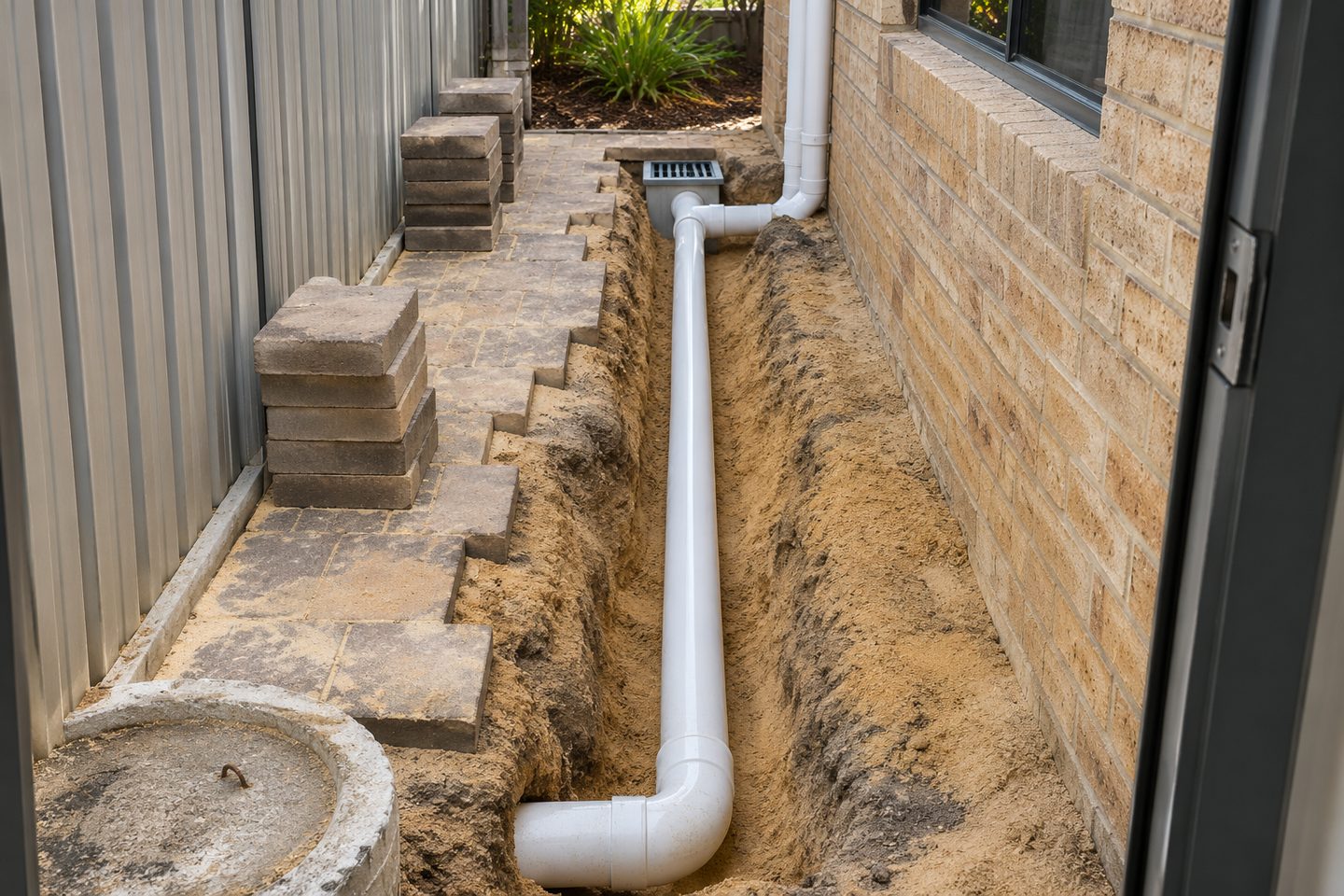
An existing outlet may collect from both the work area and an untouched roof. Mark each active branch before removing storage and show where it runs during and after the work. A revised design must account for all those continuing inflows, not only the branch being replaced.
Get the details together
Use the enquiry form to see which details help describe the site and the work.
Frequently asked questions
Can only the chamber be relocated?
Any retained pipes must still work with the new alignment, levels and discharge arrangement. Assess the route as a whole.
What must a diversion plan show after a soakwell is removed?
The diversion plan should identify the streams that remain active and their confirmed destinations. Mark any old branches that will be left in place and the overflow route from the revised layout. Keep the drawing with the property documents for anyone working nearby later.
How do I separate active and inactive branches on a diversion plan?
Label each known active branch with the area it serves and the destination it will use during soakwell removal. Use a different label for inactive branches and flag uncertain lines for inspection. Keep the temporary route and final layout visible to everyone working on the property.
What if a proposed discharge point cannot be confirmed before removal?
Keep the proposed discharge point marked as unconfirmed on the diversion plan and ask the responsible provider to verify it. Show which branches still carry roof or surface water while the old chamber is in use. Agree the changeover only once the work team knows where active flows will go.
Which records help after a diverted stormwater line is covered?
The final diversion record should show the new pipe route, where each active branch connects and where access remains. Mark any abandoned or retained parts using a fixed point on the property. Add a dated photograph of the new connection before the excavation is covered.